Table of Contents
Tips to create the perfect Work Item
Here are some tips to creating the perfect Work Item:
When recording
1. State your intent
Begin the recording by clearly stating the purpose. Avoid being vague. Your goal or the options you’re proposing should be as clear as possible.
“Send an email task to...”
“I have a new feature request for the Northwind Project...”
✅ Good example:
“Create a new bug report for the login page in the Northwind project. The issue is users can’t reset their password. (...)”
❌ Bad example:
“This is broken.”
Be as specific as possible so the AI knows what action to take and what project you are refering to.
Pro Tip: A good practice is to end your video by restating your intent and the project name. This reinforces your request and helps the AI generate an accurate Work Item.
2. Give context
Refer to the area of the screen you are discussing. For example, mention the section heading when reviewing a specific section. Explain the user flow as well, such as where you came from and what you are trying to do.
Note: Have a look at these best practices
Tip: When reviewing someone's work, especially if it's a new project or you're not yet familiar with the person, begin with a positive observation before suggesting changes. This helps build trust, reinforces good work, and makes feedback easier to receive.
❌ Bad example:
“It’s not working here.”
✅ Good example:
“On the dashboard, under the ‘Reports’ section, the export button is missing.”
3. Detail bug reports
For bugs, mention reproduction steps and expected behaviour.
“First do this, then do this, then this error occurs, but I expect it to do this”
Note: Have a look at drafting your bug with enough details
❌ Bad example:
“Reset password doesn’t work.”
✅ Good example:
“Step 1: Go to the login page. Step 2: Enter your email and click ‘Forgot Password’. Step 3: No email is sent. I expect to receive a password reset email.”
4. Mention additional team members
Say “CC” and their names so you include people who are not in the meeting.
“...Cc Adam and Uly”
Note: Creating a PBI or bug report will automatically CC the Product Owner and Tech Lead. Why?
❌ Bad example:
“Let someone else know.”
✅ Good example:
“Please CC @adam and @uly on this item as they need to review the changes.”
5. Collaborative effort goes a long way
Inviting a colleague to your YakShaver recording brings fresh perspectives and clearer explanations, and because you must walk them through the workflow beforehand, the recording itself becomes a refined v2 with a stronger final result.
If you're the one added to someone else’s yakshave, contribute meaningfully with helpful comments and extra context whenever you can.
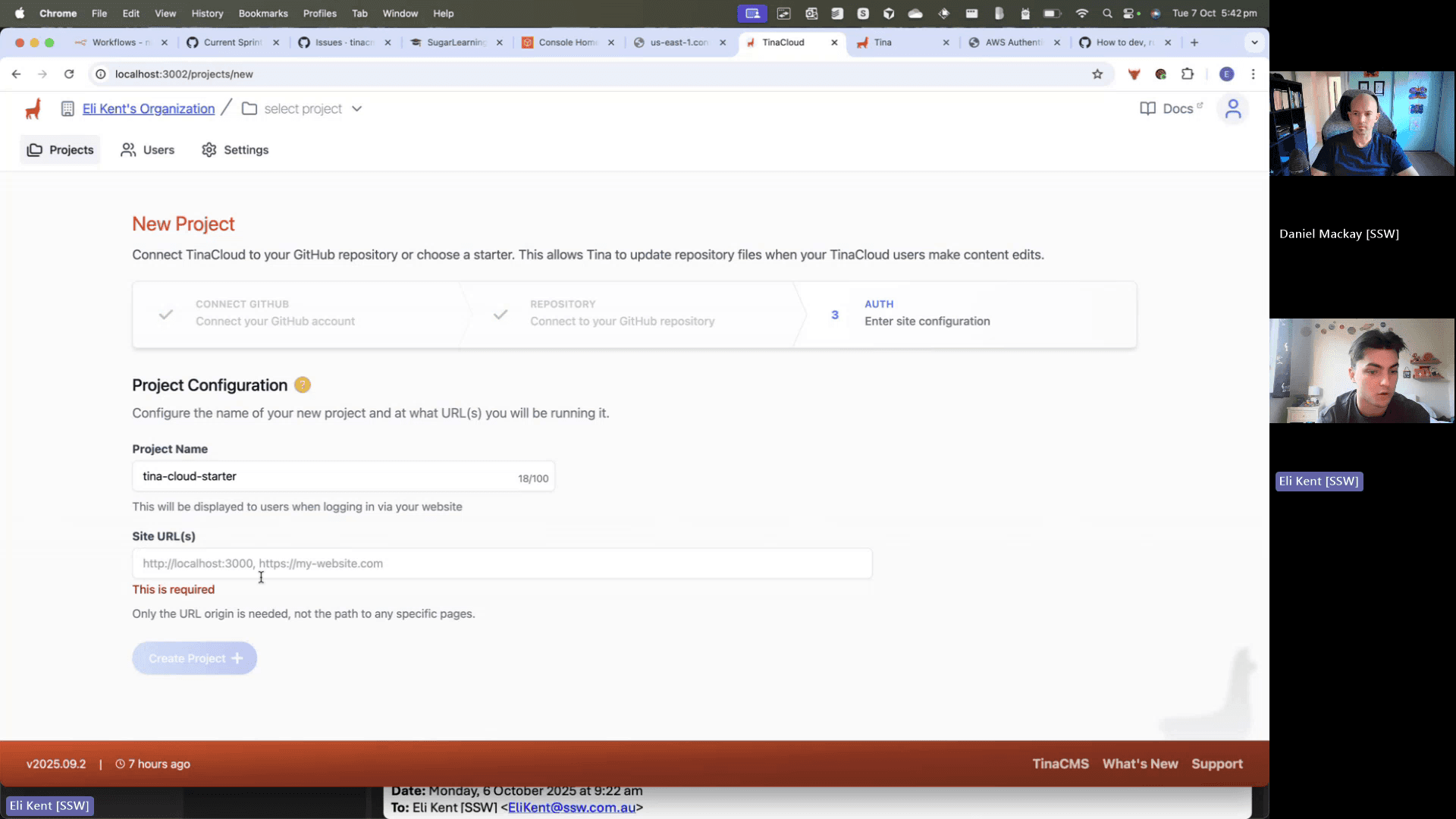
Figure: YakShaves work best when more than one person is involved
Tip: If possible, have another team member present to clarify requirements or add missing details during the recording.
Common Mistakes to Avoid
Avoid these common pitfalls to ensure YakShaver produces the best results:
- Being too vague: Not stating what you want the AI to do.
- example: “This needs fixing.” (What needs fixing? Where?)
- Missing context: Not mentioning which page, feature, or user role is affected.
- Skipping steps: Not describing how to reproduce a bug or what the expected outcome is.
- Not mentioning key people: Forgetting to CC or mention stakeholders who need to be involved.
- Recording in a noisy environment: Background noise can make it hard for the AI to understand your intent.
Take a moment to review your recording and make sure you’ve avoided these mistakes before submitting.
Sample Video Script
Here’s an example script for a YakShaver recording that follows best practices.
This script clearly states the intent, provides context, details the bug, mentions key people, and demonstrates collaboration.
Quick Reference: Do’s and Don’ts
Refer to this table before recording to maximize the quality of your YakShaver Work Items!
| ✅ Do's | ❌ Don’ts |
| Clearly state your intent | Be vague or ambiguous |
| Give specific context (page, feature, etc.) | Assume the AI knows what you mean |
| List steps to reproduce bugs | Skip important details |
| Mention/CC relevant team members | Forget to involve stakeholders |
| Record in a quiet environment | Record with lots of background noise |
| Collaborate with others when possible | Work in isolation if clarity is needed |